Why Does Gold in Some Medieval Paintings Shine So Much?
Many medieval gold surfaces were not painted yellow. Artists applied genuine gold leaf and burnished it until it reflected the surrounding light.
Short, well-sourced stories about artists, artworks, movements, and visual culture.
5 articles
Many medieval gold surfaces were not painted yellow. Artists applied genuine gold leaf and burnished it until it reflected the surrounding light.
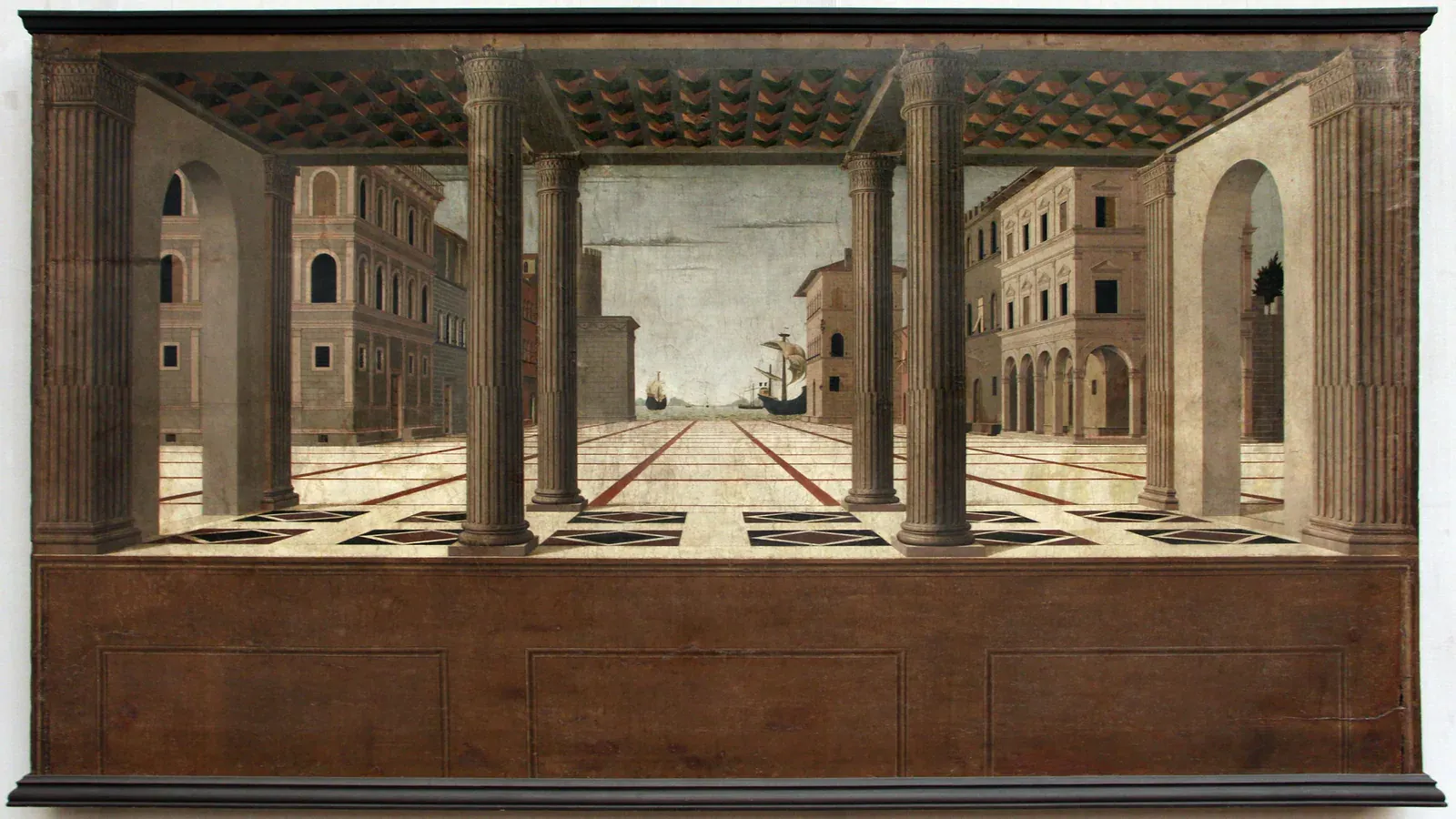
Perspective is more than a way to make paintings look realistic. It is a set of tools for creating depth, directing attention, and turning a flat surface into an imaginable space.
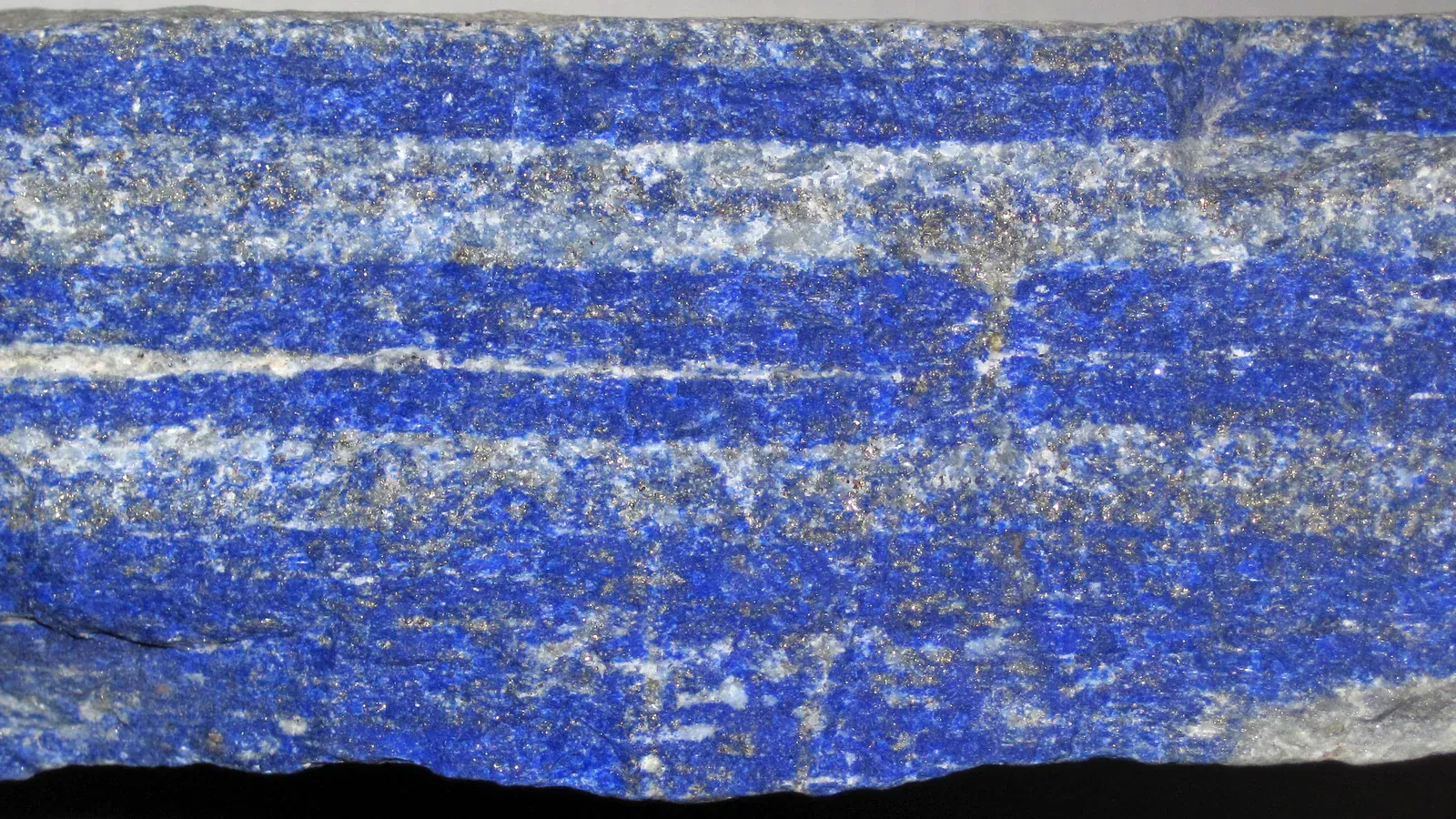
Natural ultramarine came from lapis lazuli imported from Central Asia and required a slow, low-yield refining process. For centuries, its brilliant blue also signalled wealth, devotion and artistic prestige.
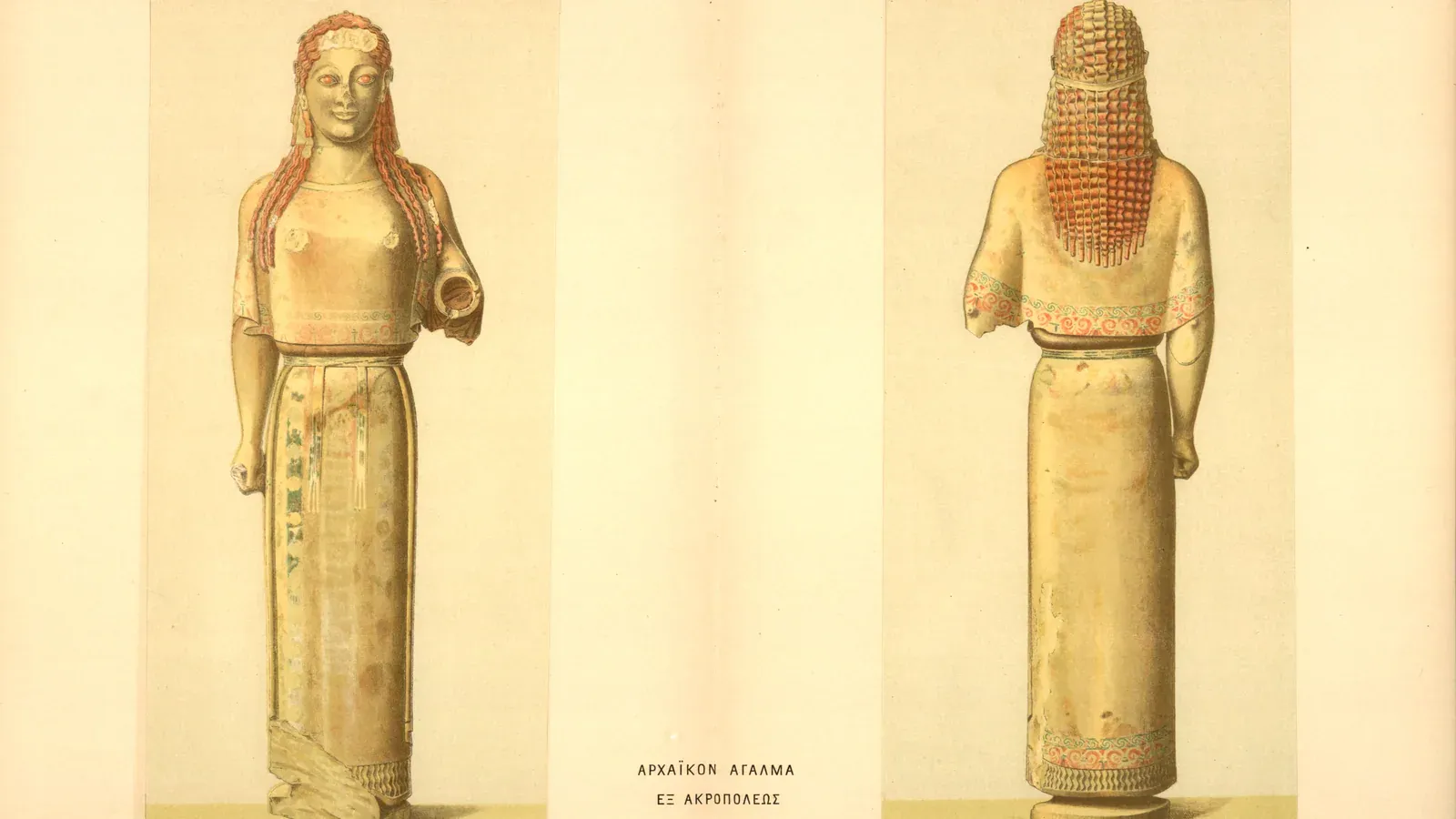
Many ancient Greek sculptures were finished with vivid pigments, ornamental patterns and coloured materials. Their familiar white appearance is largely the result of material loss and later artistic preferences.
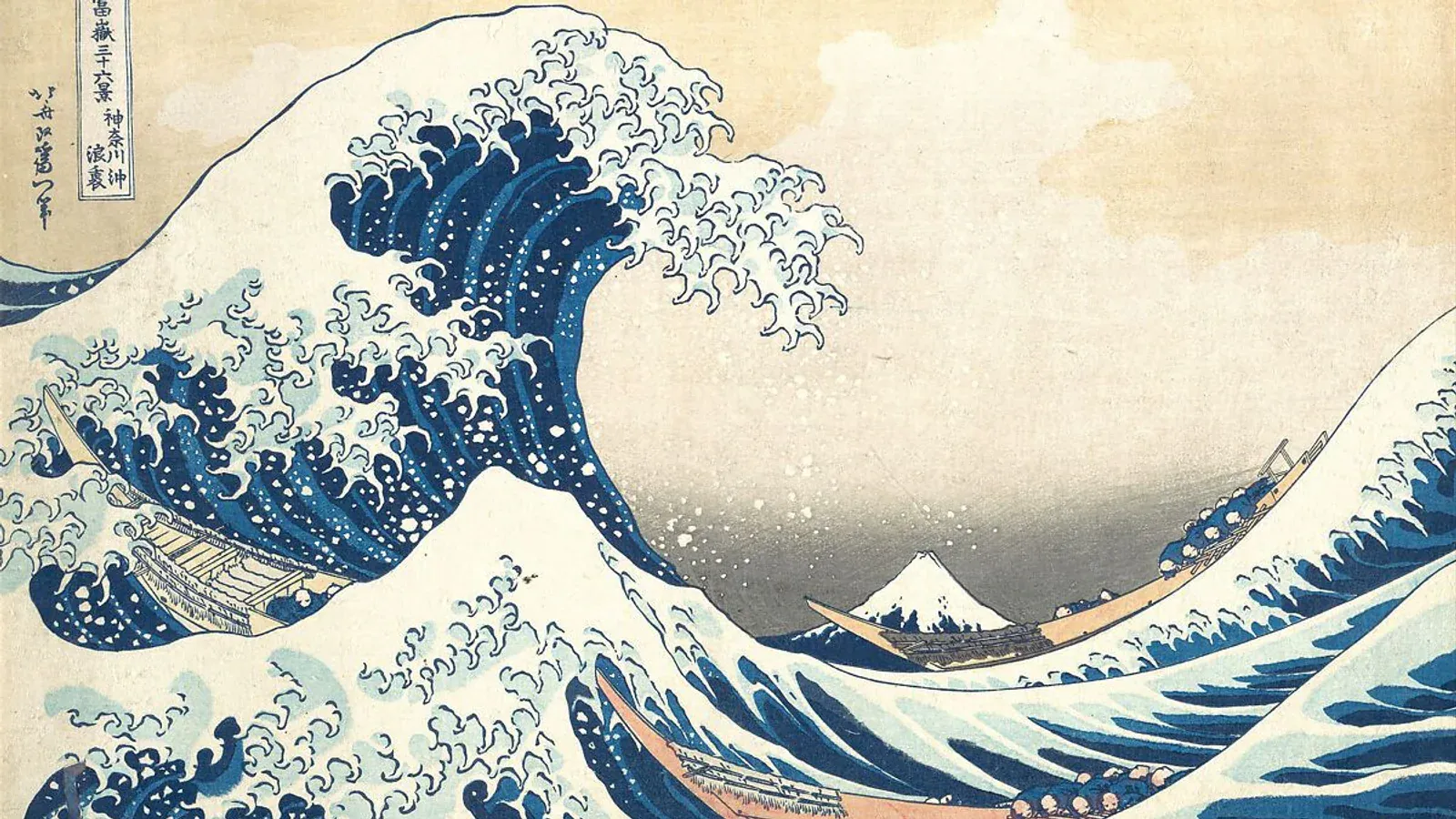
Hokusai’s most famous image was not painted directly onto paper. It was assembled in layers using carved wooden blocks and separately applied pigments.