What Is Perspective in Art, and Why Did It Change Painting?
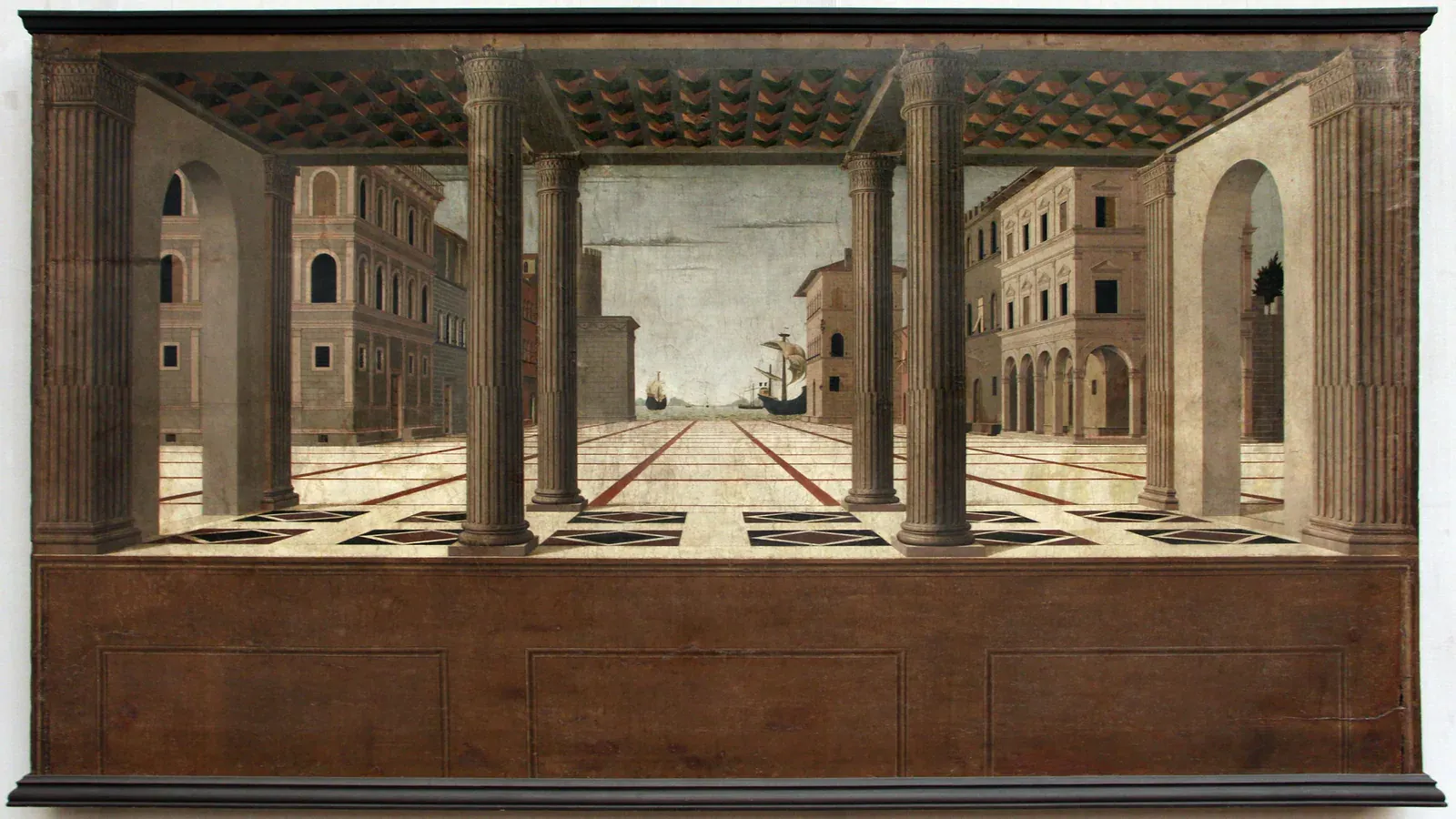
Perspective is more than a way to make paintings look realistic. It is a set of tools for creating depth, directing attention, and turning a flat surface into an imaginable space.
Discover short, well-sourced articles about science, history, art, philosophy, and general knowledge. Learn something new with Sapiens Club.
12 articles
Perspective is more than a way to make paintings look realistic. It is a set of tools for creating depth, directing attention, and turning a flat surface into an imaginable space.
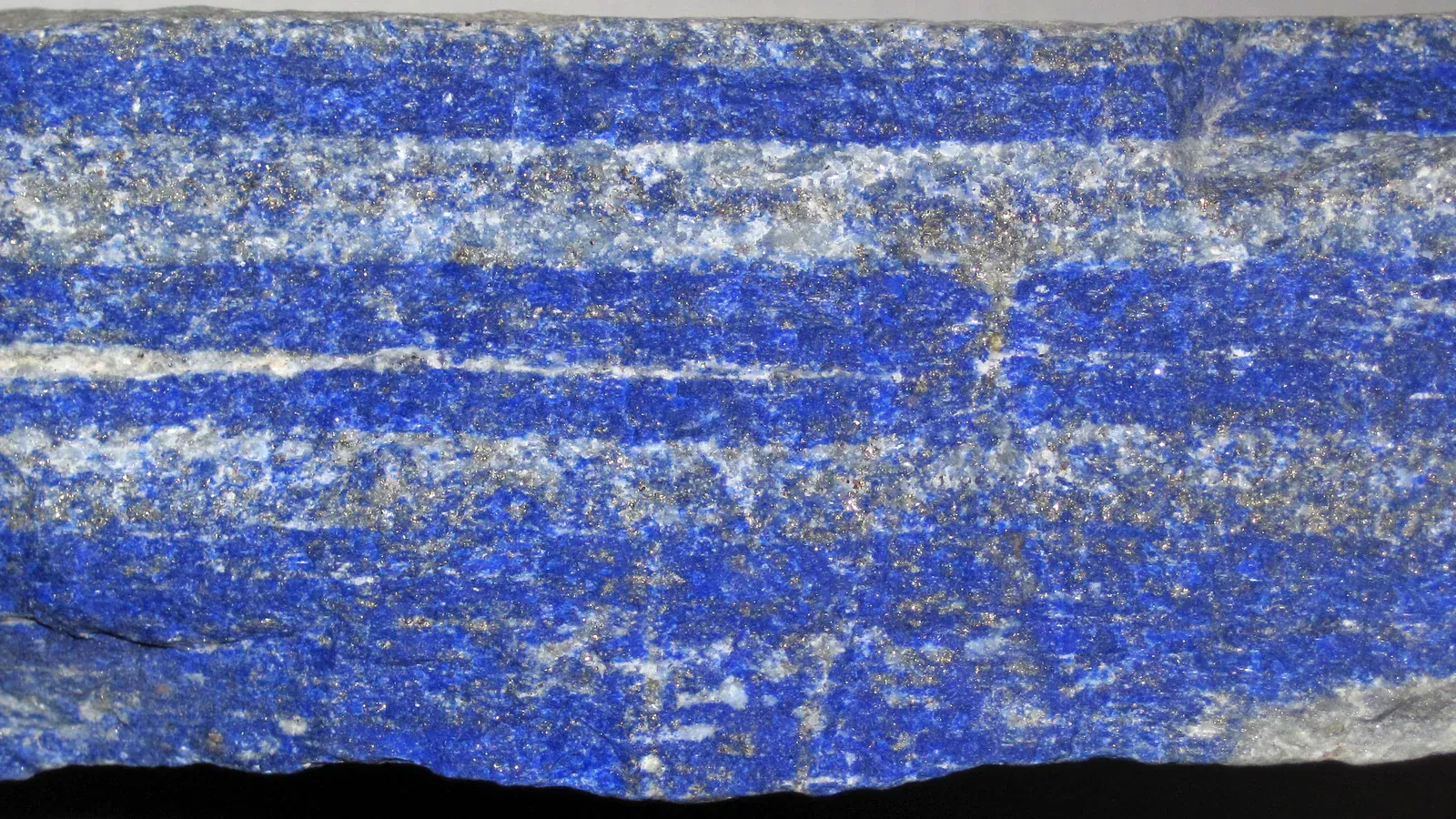
Natural ultramarine came from lapis lazuli imported from Central Asia and required a slow, low-yield refining process. For centuries, its brilliant blue also signalled wealth, devotion and artistic prestige.
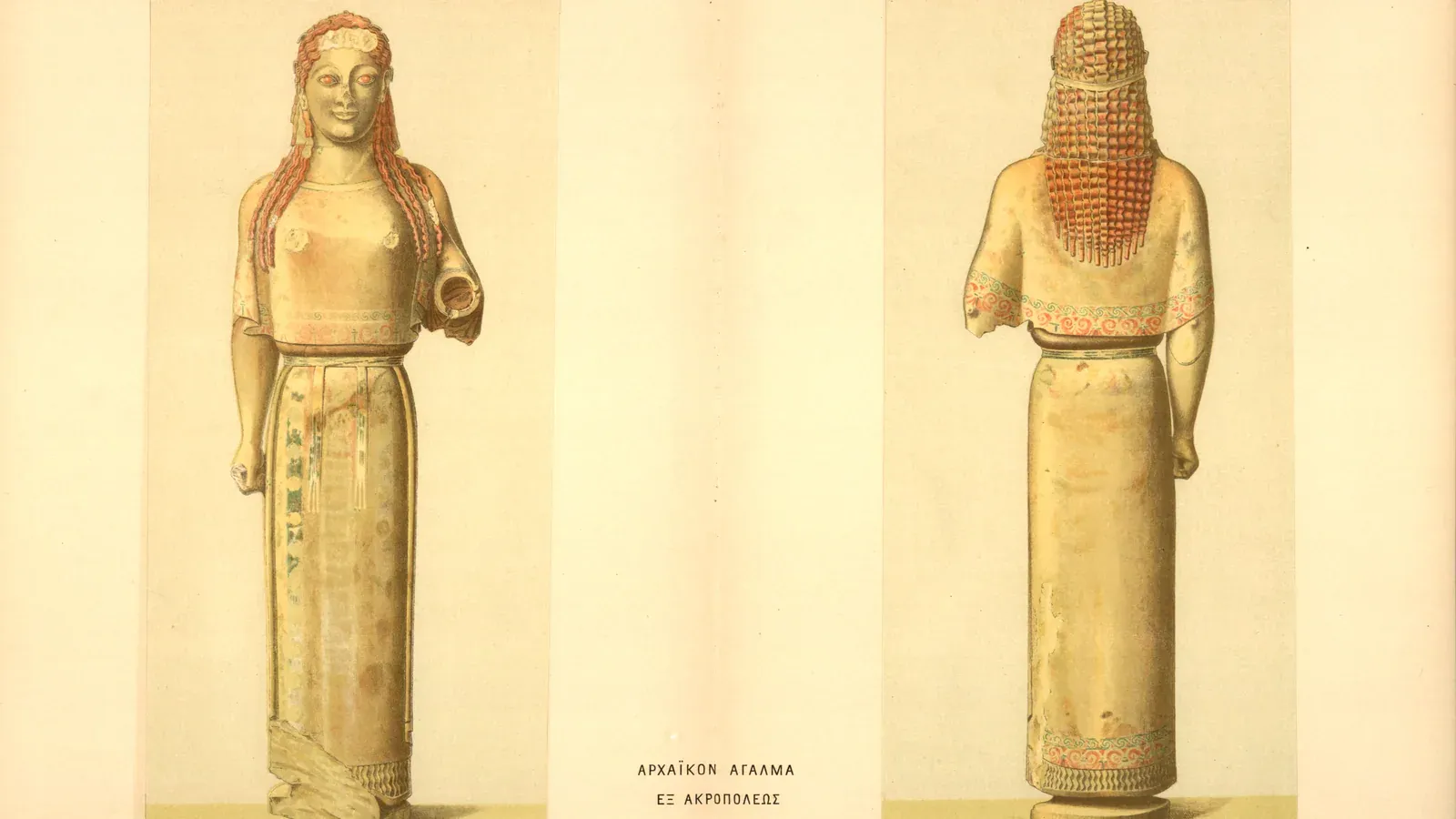
Many ancient Greek sculptures were finished with vivid pigments, ornamental patterns and coloured materials. Their familiar white appearance is largely the result of material loss and later artistic preferences.
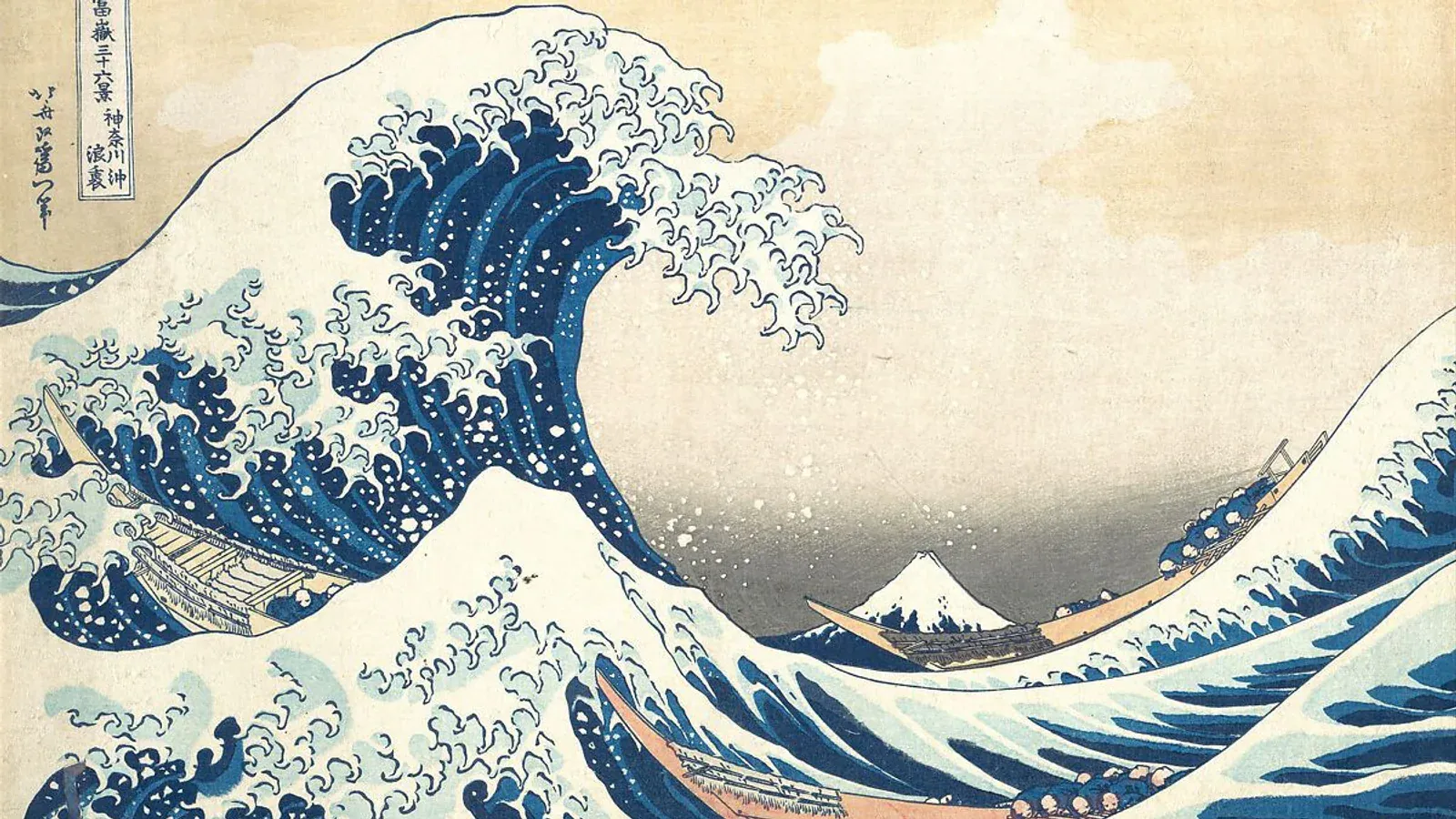
Hokusai’s most famous image was not painted directly onto paper. It was assembled in layers using carved wooden blocks and separately applied pigments.
The Silk Road was not one continuous highway between China and Europe, but a shifting network of roads, ports, cities and merchants connecting much of Eurasia.
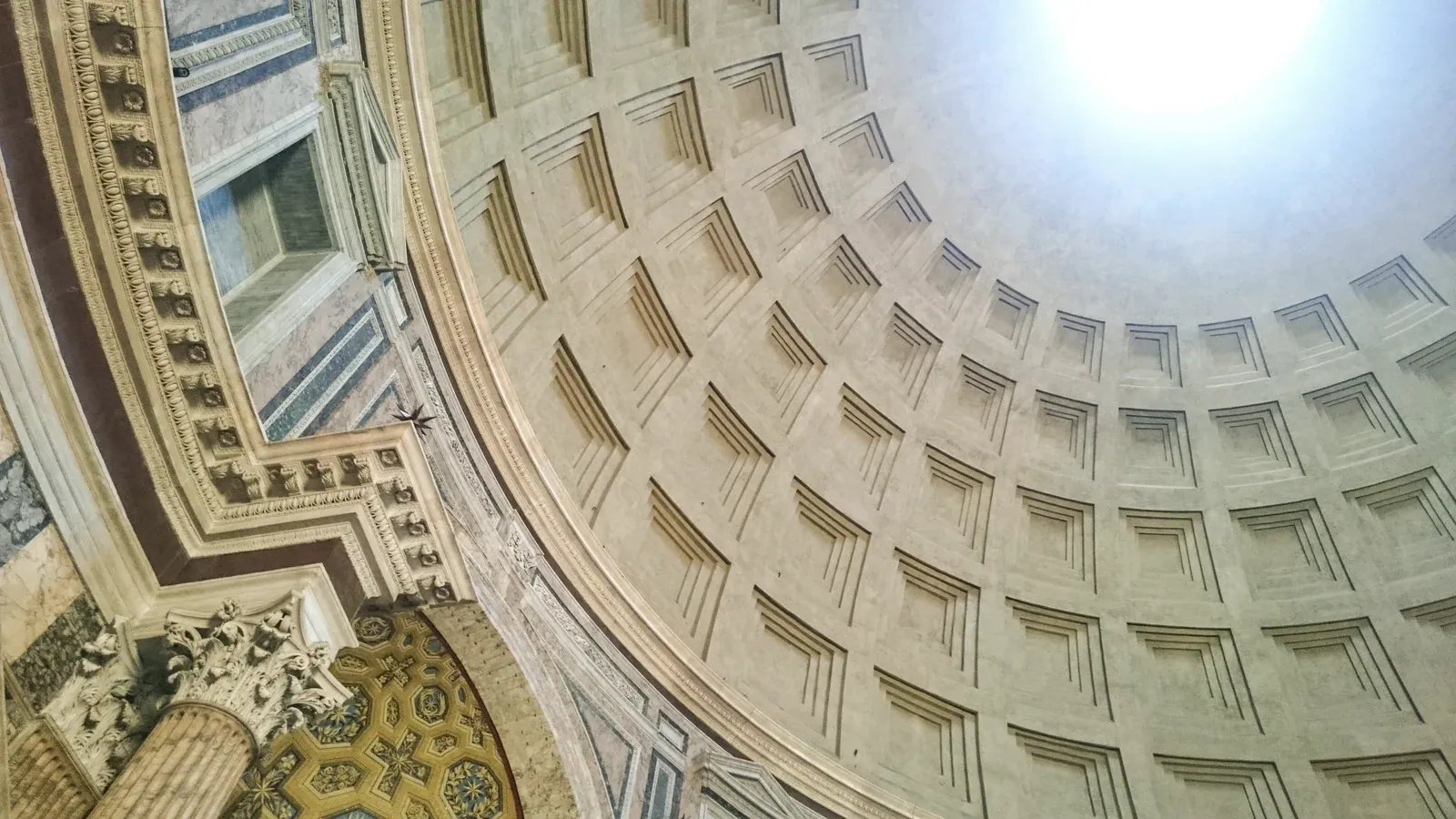
Roman concrete owes its longevity to mixtures of lime, volcanic material and aggregate that form stable minerals and can sometimes seal small cracks. Structural design and two thousand years of selection matter too.
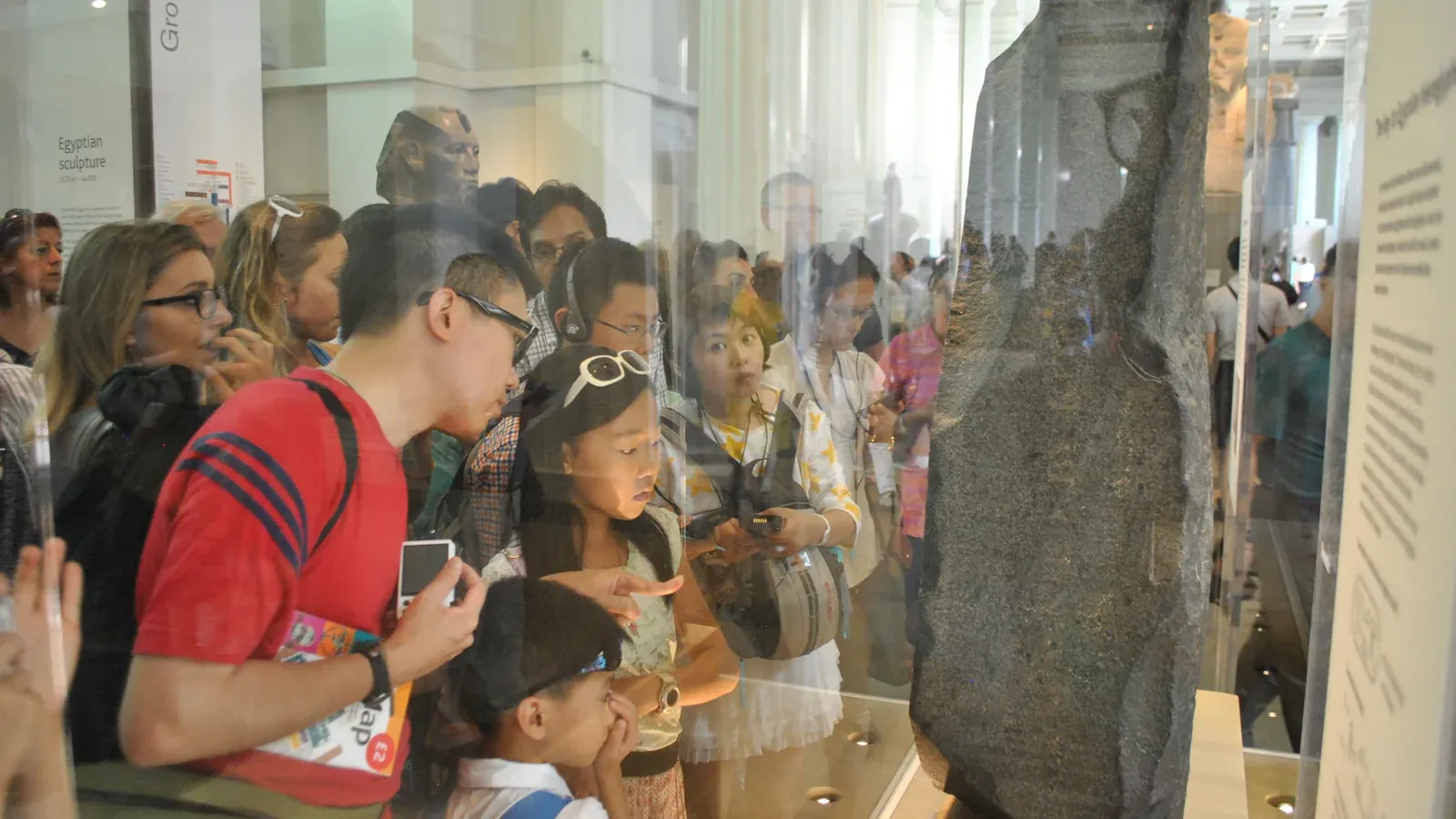
The Rosetta Stone carries a decree praising the young king Ptolemy V. Its importance lies in presenting the same message in hieroglyphic, Demotic and Greek scripts, enabling scholars to recover the ancient Egyptian language.
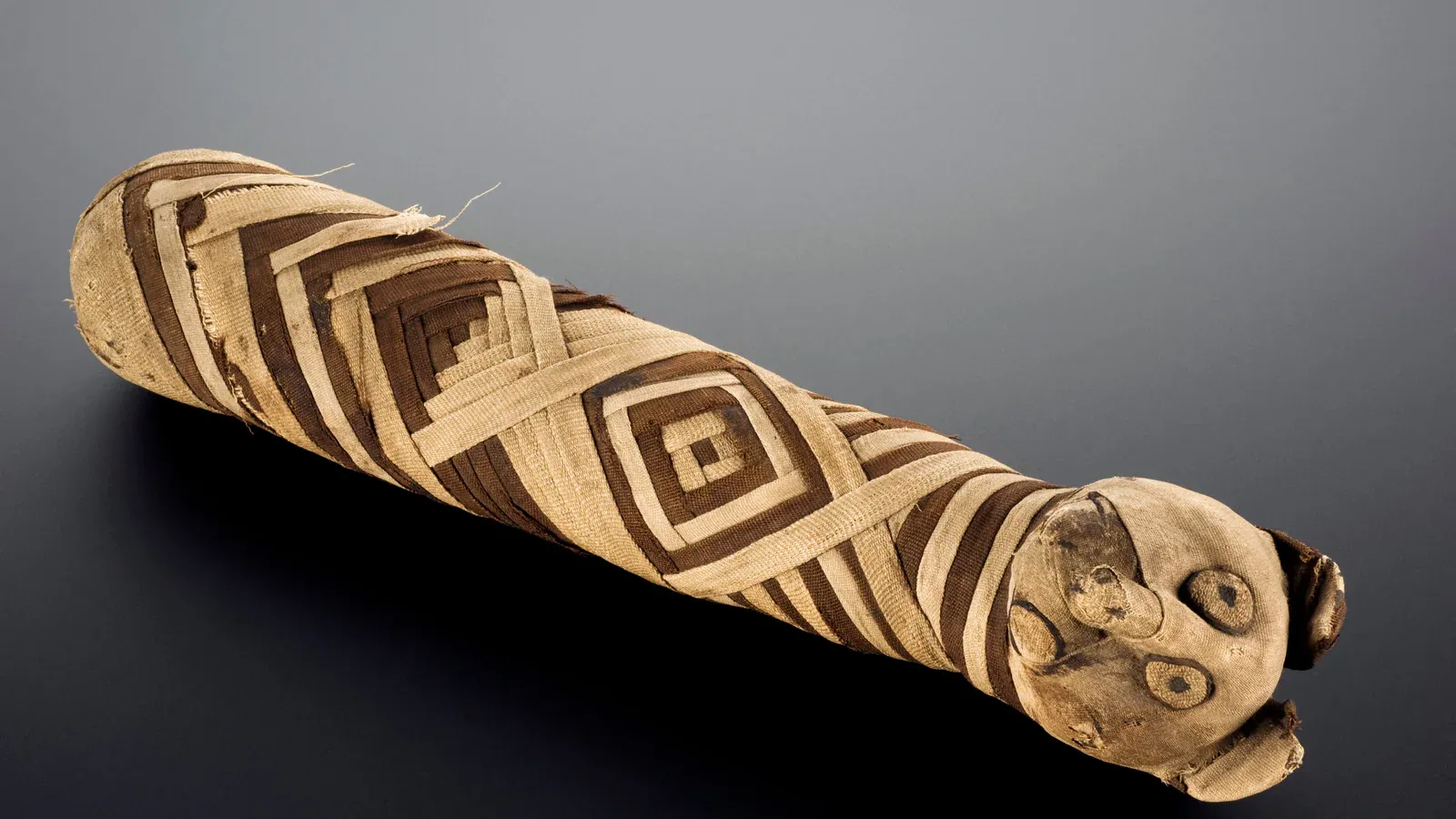
Most mummified cats were religious offerings associated with Bastet. Worshippers dedicated them at temples to express devotion, request divine help or convey a message to the goddess.
The sky looks blue because atmospheric molecules scatter the shorter wavelengths of sunlight more efficiently, sending blue light towards our eyes from every direction.
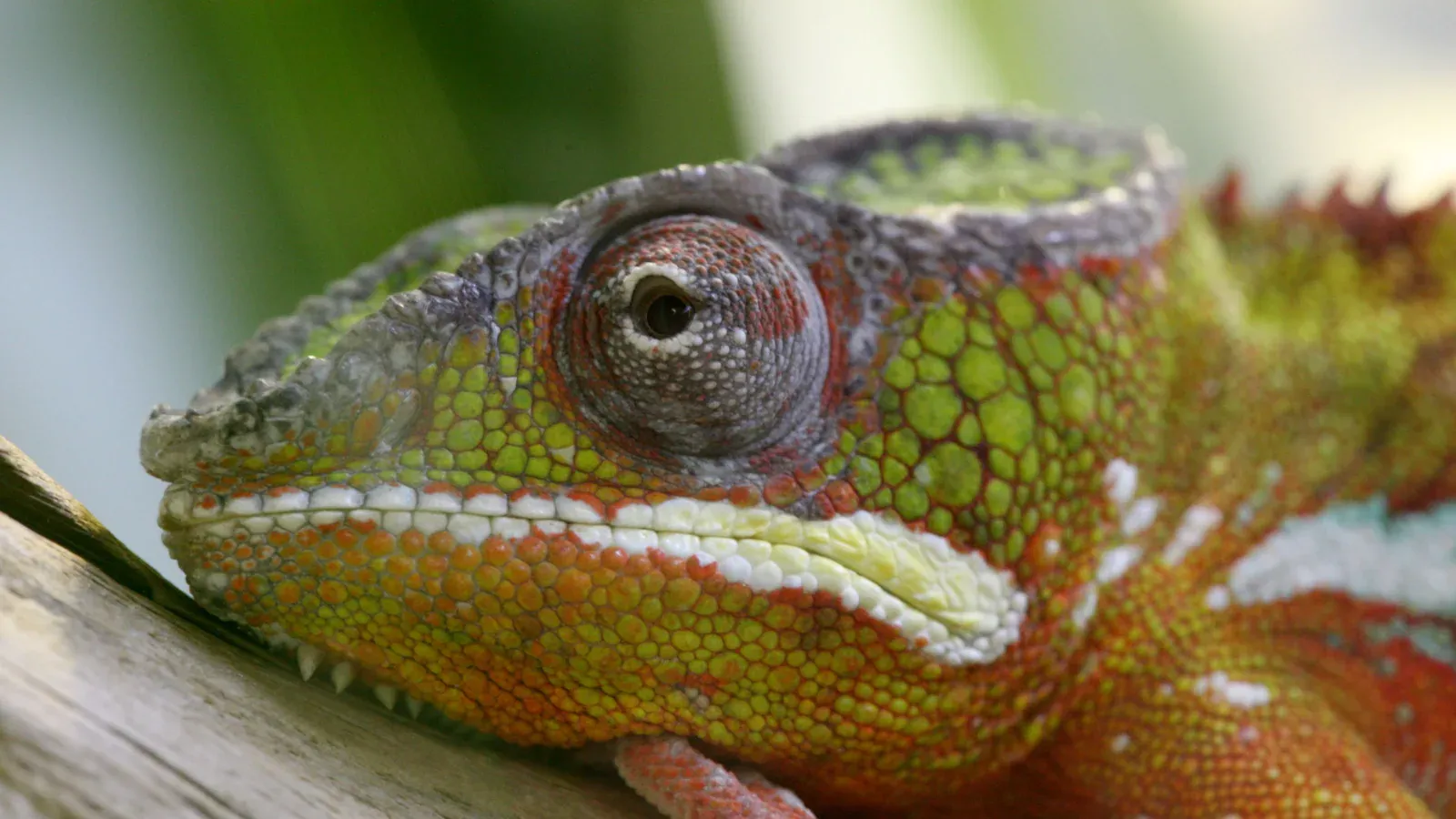
Chameleons change colour to communicate, manage temperature and, in some situations, improve camouflage. They do it by rearranging pigments and microscopic crystals in their skin.
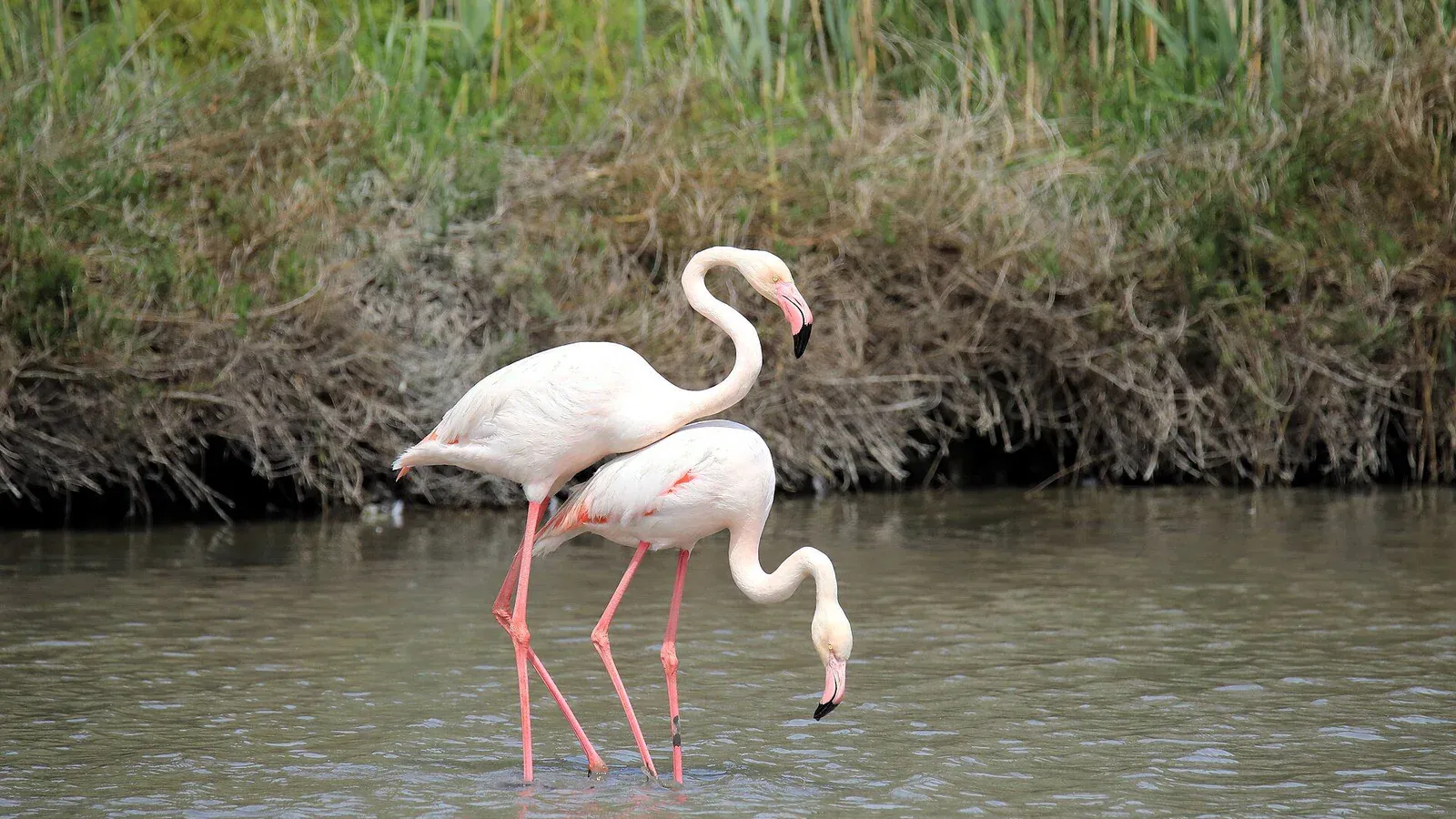
Flamingos are not born pink. Their colour comes from carotenoids in algae and small aquatic organisms, which their bodies process and deposit in growing feathers.
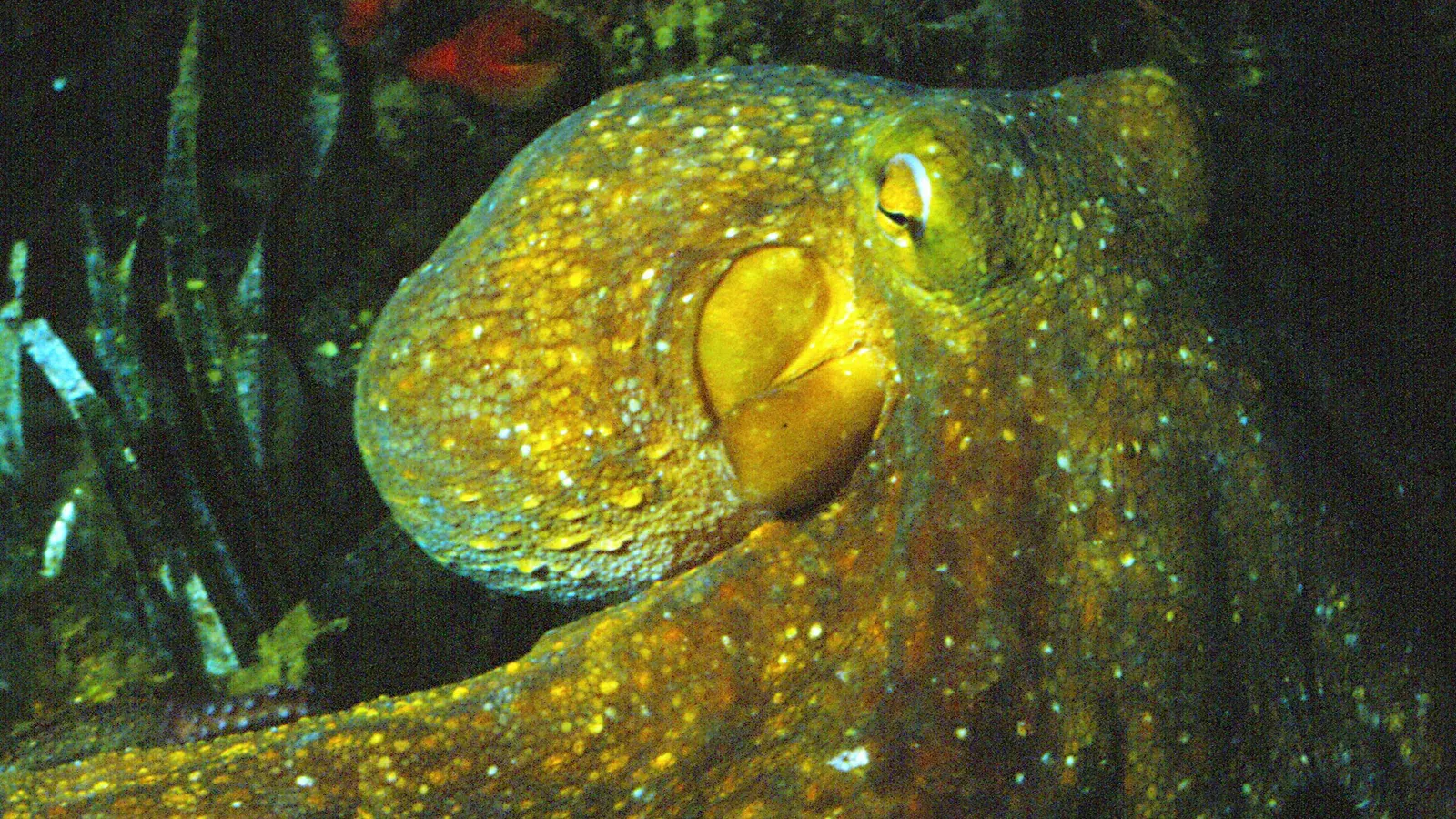
An octopus has two hearts that send blood through its gills and a third that supplies the body. This division of labour sustains blood flow through a demanding closed circulatory system.