Nature & Animals articles

Clear, well-sourced stories about animals, plants, ecosystems, evolution, and the natural world.

Latest nature & animals articles

8 articles

  • A greater flamingo in profile, standing still on one leg beside water.

    Why Do Flamingos Stand on One Leg?

    Flamingos can stand on one leg with remarkably little effort because their anatomy, posture and gravity create a stable support system. Tucking up the other leg may also reduce heat loss, although science has not identified one definitive explanation for every instance of the behaviour.

    4 min read Read article
  • Blue-ringed octopus among rocks underwater.

    Why Is Octopus Blood Blue?

    Octopus blood turns blue when carrying oxygen because it uses copper-rich hemocyanin rather than the iron-containing haemoglobin that makes human blood red.

    3 min read Read article
  • Morpho peleides butterfly with blue wings open.

    Why Do Some Butterfly Wings Change Colour in Different Light?

    Iridescent wings do not always owe their colour to pigments. Nanostructures in their scales reflect different wavelengths as the illumination and viewing angle change.

    5 min read Read article
  • Two worker honey bees on a wax honeycomb with hexagonal cells.

    Why Do Bees Build Hexagonal Honeycombs?

    Hexagons let bees store a great deal with little wax and no wasted gaps. But honeycomb is not a feat of conscious calculation: it emerges from collective behaviour and the physics of wax.

    5 min read Read article
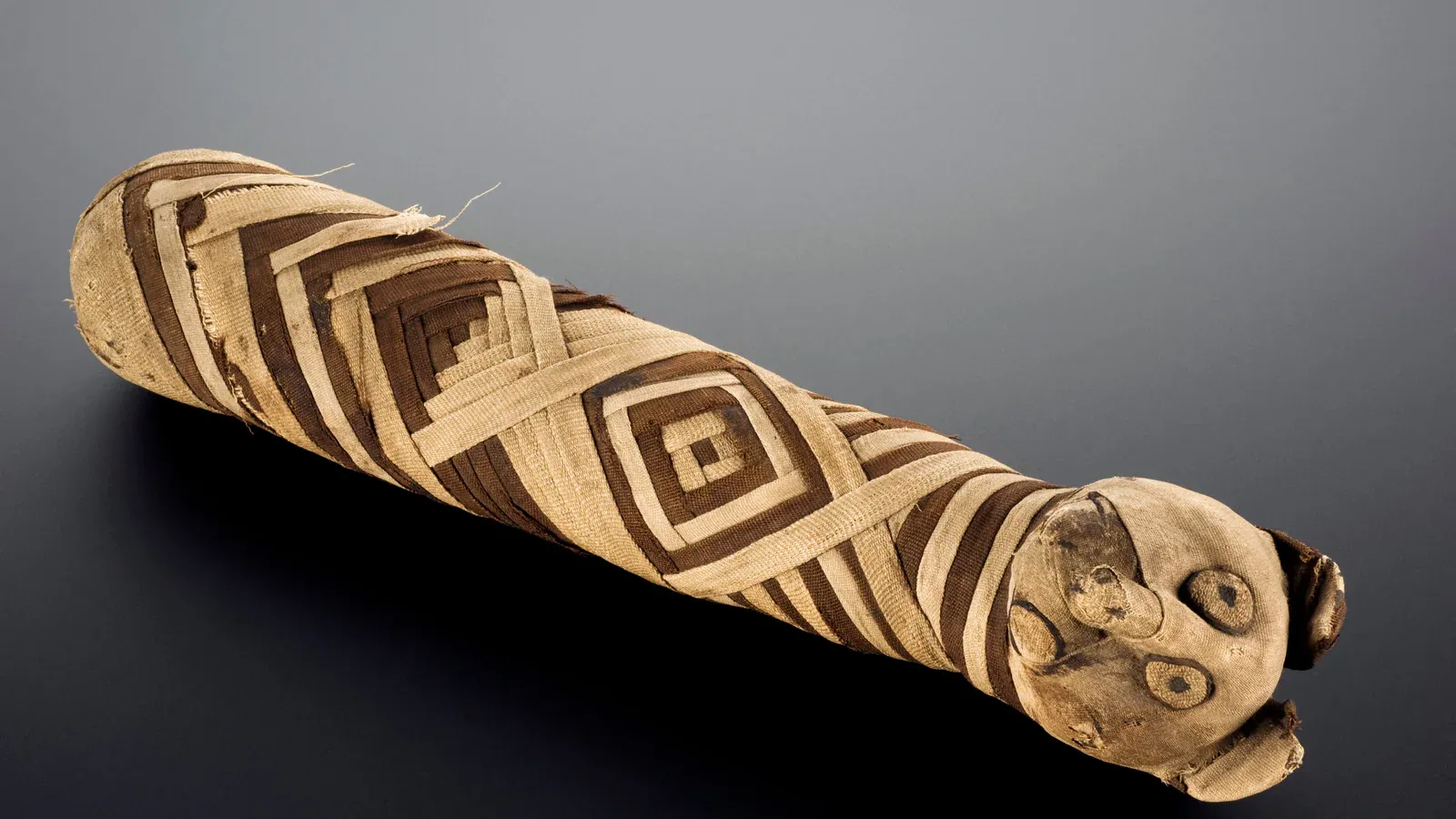
  • Ancient Egyptian cat mummy wrapped in linen and decorated with feline features

    Why did ancient Egyptians mummify cats?

    Most mummified cats were religious offerings associated with Bastet. Worshippers dedicated them at temples to express devotion, request divine help or convey a message to the goddess.
    6 min read Read article
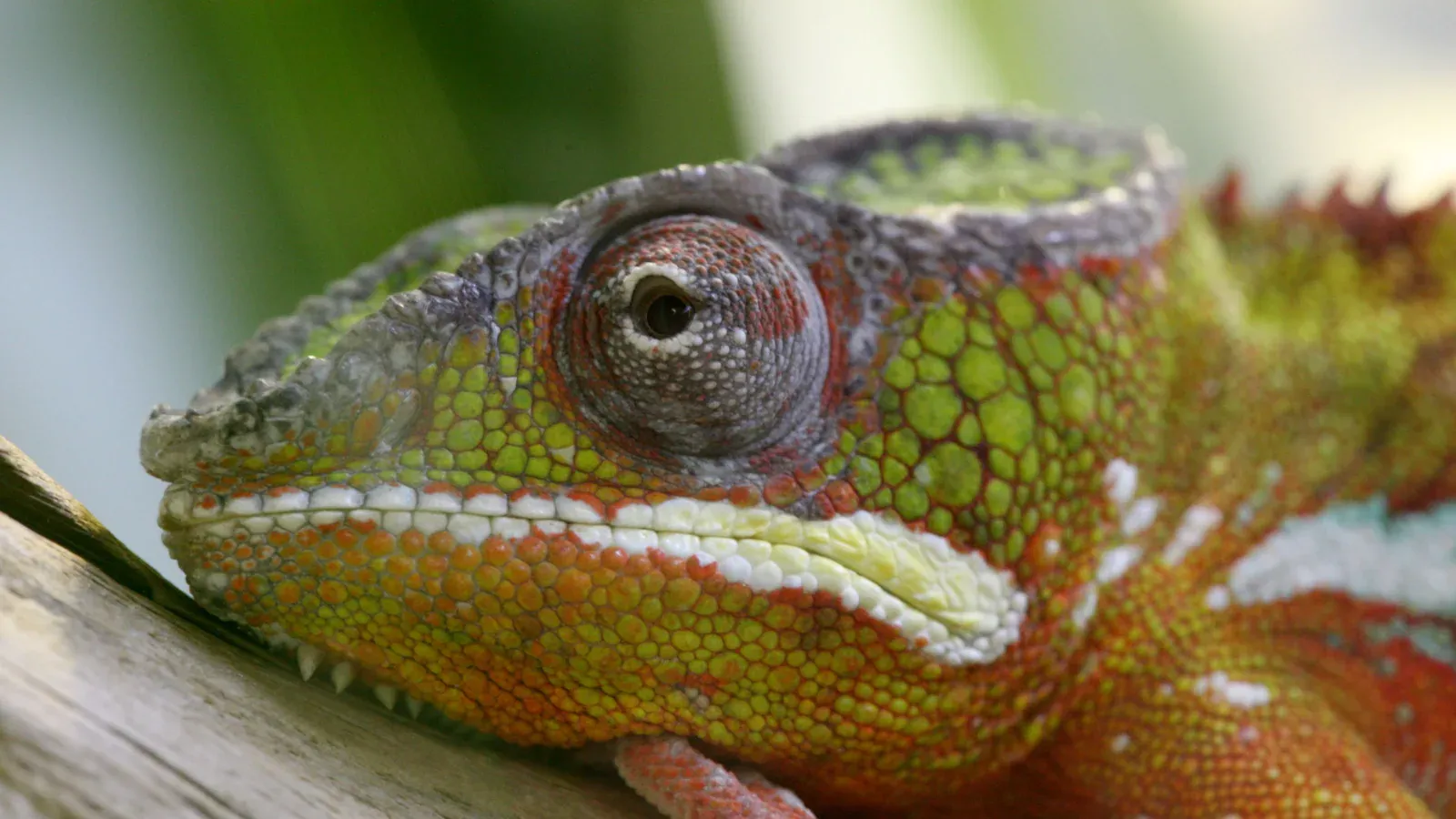
  • Close-up of an Ambilobe panther chameleon with green, red, white and orange scales

    Why do chameleons change colour?

    Chameleons change colour to communicate, manage temperature and, in some situations, improve camouflage. They do it by rearranging pigments and microscopic crystals in their skin.

    5 min read Read article
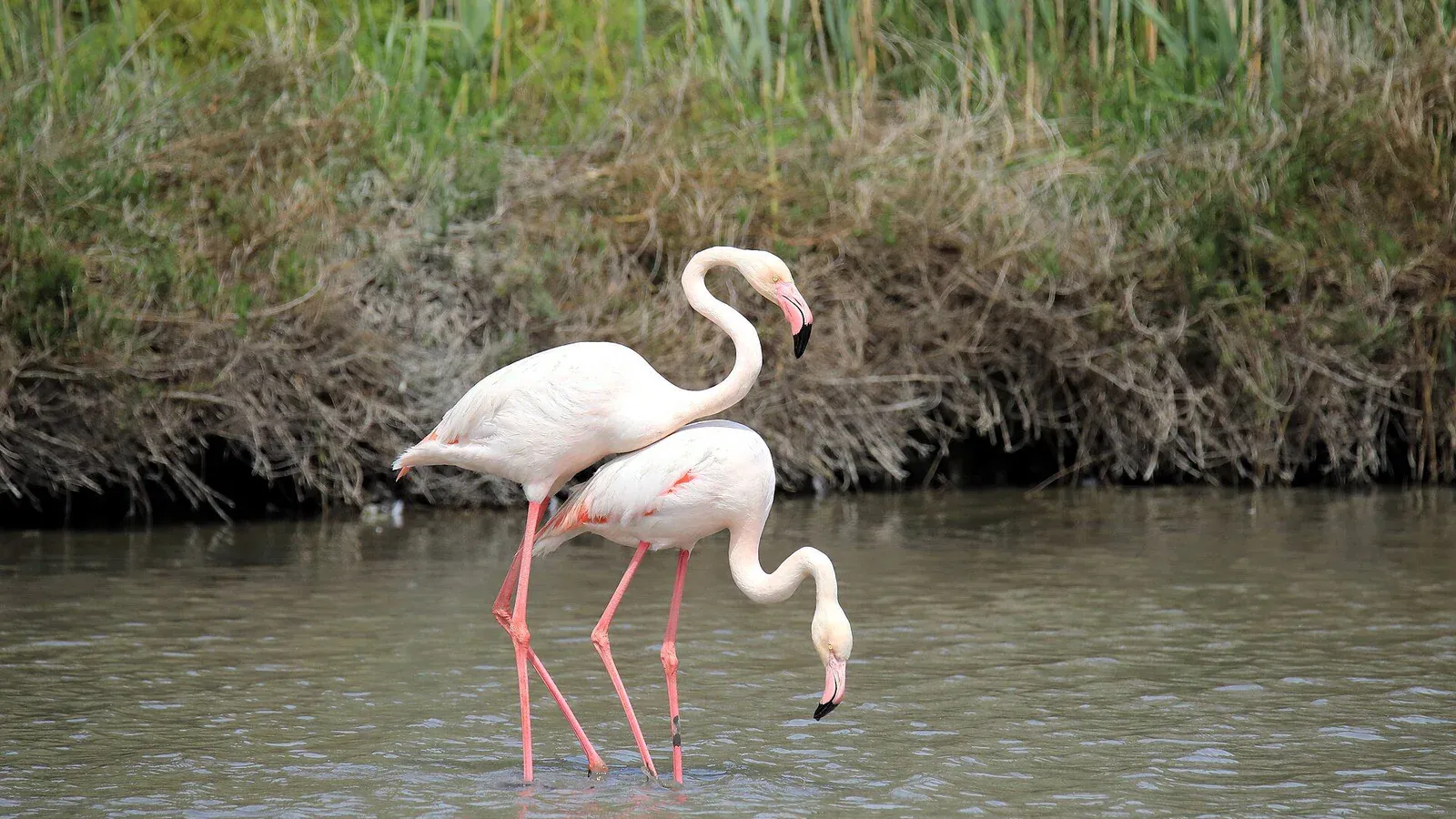
  • Adult greater flamingo with pink plumage in the Camargue, France

    Why are flamingos pink?

    Flamingos are not born pink. Their colour comes from carotenoids in algae and small aquatic organisms, which their bodies process and deposit in growing feathers.

    5 min read Read article
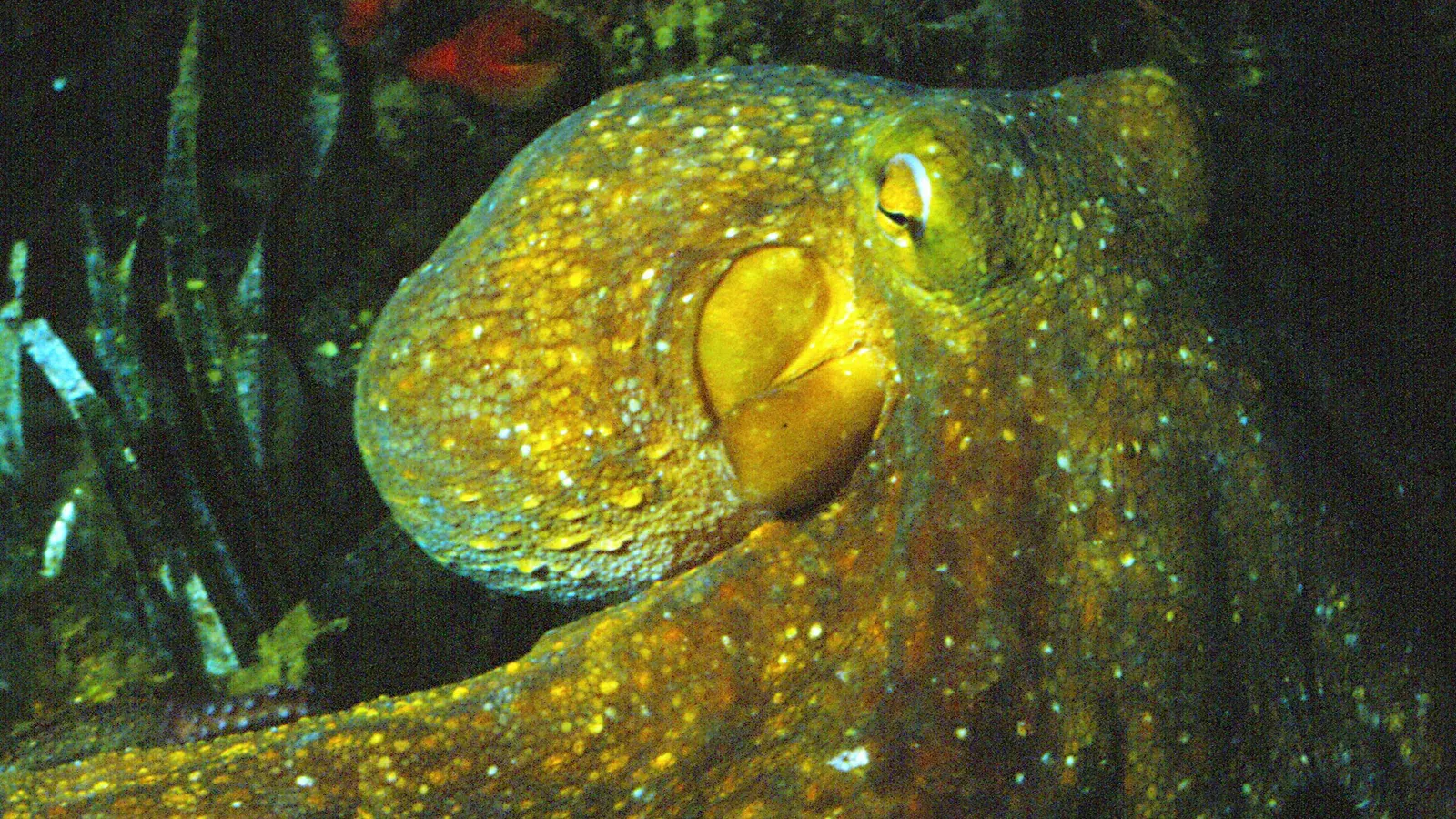
  • Common octopus spread across the seabed

    Why Do Octopuses Have Three Hearts?

    An octopus has two hearts that send blood through its gills and a third that supplies the body. This division of labour sustains blood flow through a demanding closed circulatory system.

    4 min read Read article